Dental Emergency in the East Valley? What to Do Right Now
Knocked-out tooth, cracked tooth, or abscess? Step-by-step first aid, when to call your dentist, and when to go straight to the ER in the Phoenix East Valley.


Dental emergencies rarely happen at a good time. A tooth cracks on a popcorn kernel during a movie. A soccer ball meets a front tooth at a Saturday tournament. A toothache that was mild for weeks suddenly keeps you up all night.
As an endodontist, I spend a lot of my time treating these exact problems. The good news is that a few calm, simple steps in the first hour can make a real difference in how things turn out. Here is what to do.
First: is this a dentist problem or an ER problem?
Most dental emergencies are best handled by a dentist. Hospital emergency rooms usually cannot fix teeth. They can manage pain and infection, then send you to a dentist anyway.
Go to the ER or call 911 if you have:
- Swelling that is spreading to your eye, neck, or under your jaw
- Trouble breathing or swallowing
- Swelling with a fever and you feel very unwell
- Bleeding that will not slow after 15 to 20 minutes of firm pressure
- A possible broken jaw, or a head injury with confusion, vomiting, or loss of consciousness
These can be signs of a serious infection or injury, and they need care right away. For nearly everything else, call your dentist first.
A knocked-out adult tooth
This is the one true race against the clock. A permanent tooth has the best chance of saving if it is put back within about 30 to 60 minutes.
- Pick it up by the crown, the white part you chew with. Do not touch the root.
- If it is dirty, rinse it briefly with milk or saline. Do not scrub it, and do not wrap it in a tissue.
- Try to put it back in the socket if you can. Push it in gently, then bite softly on a clean cloth to hold it in place.
- If you cannot reinsert it, keep it moist. Place it in a small container of cold milk, or hold it inside your cheek if you are an adult and will not swallow it. Water is a last resort.
- Call us right away.
If it is a baby tooth
Do not put a knocked-out baby tooth back in. It can damage the adult tooth developing underneath. Apply gentle pressure to stop bleeding and call us so we can check the area.
A cracked or broken tooth
A chipped or cracked tooth may hurt a lot or barely at all. Either way, it needs to be seen, because cracks can spread over time.
- Rinse your mouth with warm water.
- Save any pieces you find and bring them with you.
- Use a cold compress on the outside of your cheek for swelling.
- Take an over-the-counter pain reliever as directed on the label, if it is safe for you.
- Chew on the other side and skip very hot, cold, or hard foods.
If the tooth has a sharp edge, sugarless gum or dental wax from a pharmacy can protect your tongue and cheek until your visit.
Depending on the damage, treatment might be bonding, a crown, or a root canal if the crack reaches the nerve. Some cracks extend below the gumline, and in those cases the tooth may need to be removed. We will explain your options and the cost before we start anything.
A tooth abscess
An abscess is a pocket of infection, usually at the tip of a tooth root or in the gums. Common signs include:
- A throbbing toothache that may spread to your ear or jaw
- A pimple-like bump on your gums
- A bad taste in your mouth
- Swelling in your face or gums
- Pain when you bite down
An abscess will not go away on its own, even if the pain fades. Sometimes the pain stops because the nerve inside the tooth has died, while the infection keeps going.
Until you can be seen, rinse with warm salt water a few times a day. Do not try to pop the bump. And please do not put aspirin directly on your gums, because it can burn the tissue.
Antibiotics can help control a spreading infection, but they do not fix the cause. The tooth itself needs treatment, most often a root canal to clean out the infection or an extraction if the tooth cannot be saved. Remember the swelling rules above. If it spreads toward your eye or neck, or makes it hard to swallow, go to the ER.
Other common emergencies
- Lost filling or crown: Keep the crown if you have it. A pharmacy temporary cement can hold it in place for a short time. Call us to have it reattached or replaced.
- Object stuck between teeth: Try floss gently. Do not use anything sharp.
- Sudden, severe toothache: Rinse, floss to clear any trapped food, and call. A cold compress outside the cheek can help.
- Cut lip, tongue, or cheek: Apply firm pressure with clean gauze. Deep cuts may need stitches.
How Toothly handles emergencies
All eight Toothly offices hold time every day for same-day emergency visits, from Tempe and Ahwatukee to Gilbert, Chandler, and Mesa. Call the office closest to you as early as you can. An emergency exam with an X-ray is $49 for patients without insurance, and Toothly Club members have one emergency exam included in their plan.
After hours, call our emergency line at (480) 555-0199. A member of our team will help you decide what to do next and get you on the schedule.
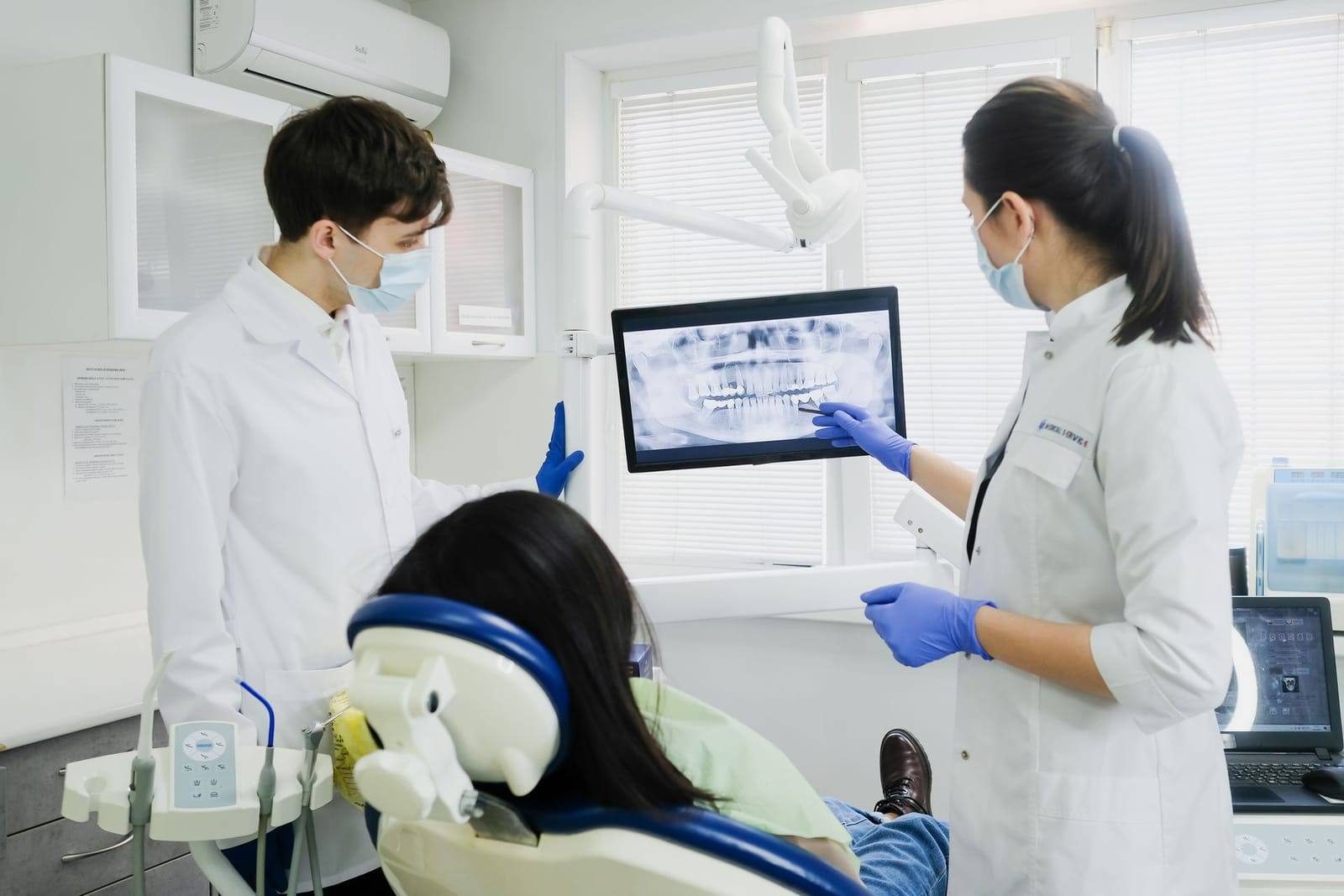
We focus on getting you out of pain first. Then we explain what we see, show you your X-rays, and give you clear, upfront pricing on your options. If you are nervous, tell us. Sedation is available, and so are warm blankets and headphones.
If something feels wrong with your teeth right now, do not wait it out. Call your nearest Toothly office or book an emergency visit online, and we will take it from there.
About the author
Dr. Hana Yamamoto, DDS, MS
Toothly's endodontist, using microscopes and 3D imaging for comfortable, efficient root canals in Tempe, Ahwatukee, Ocotillo, and Eastmark.
This article is for general education and isn’t a substitute for an exam. If you have symptoms, please see a dentist.