NewNew patients: $99 exam, cleaning & X-rays.See offers

Dental emergency? Same-day care (480) 555-0100

Cosmetic

Cosmetic Bonding

Fix chips and gaps in a single visit, usually without drilling.

Cost
From $250 per tooth
Time
About 30–60 minutes per tooth, usually in one visit.
Insurance
Purely cosmetic bonding usually isn't covered.
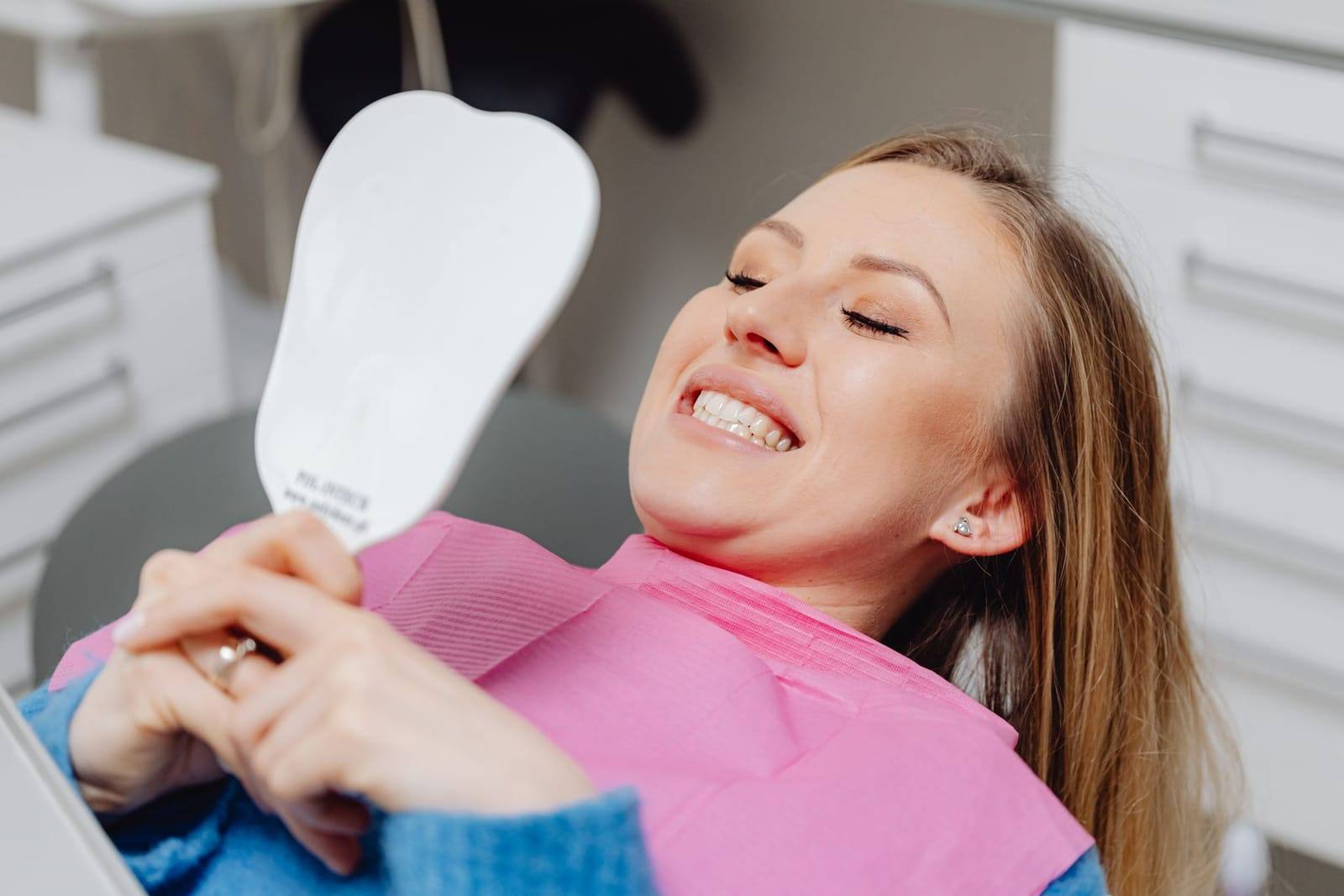
Woman with a confident, bright smile

Tooth-colored resin sculpted by hand to repair chips, close small gaps, and smooth uneven edges, often in a single visit.

Cosmetic bonding is one of the quickest ways to fix small things that bug you about your smile. A chipped front tooth, a little gap, an edge that’s worn or uneven. Your dentist sculpts tooth-colored composite resin directly onto the tooth, hardens it with a light, and polishes it to blend in. Most of the time, you walk out the same day with the problem gone.

How bonding works at Toothly

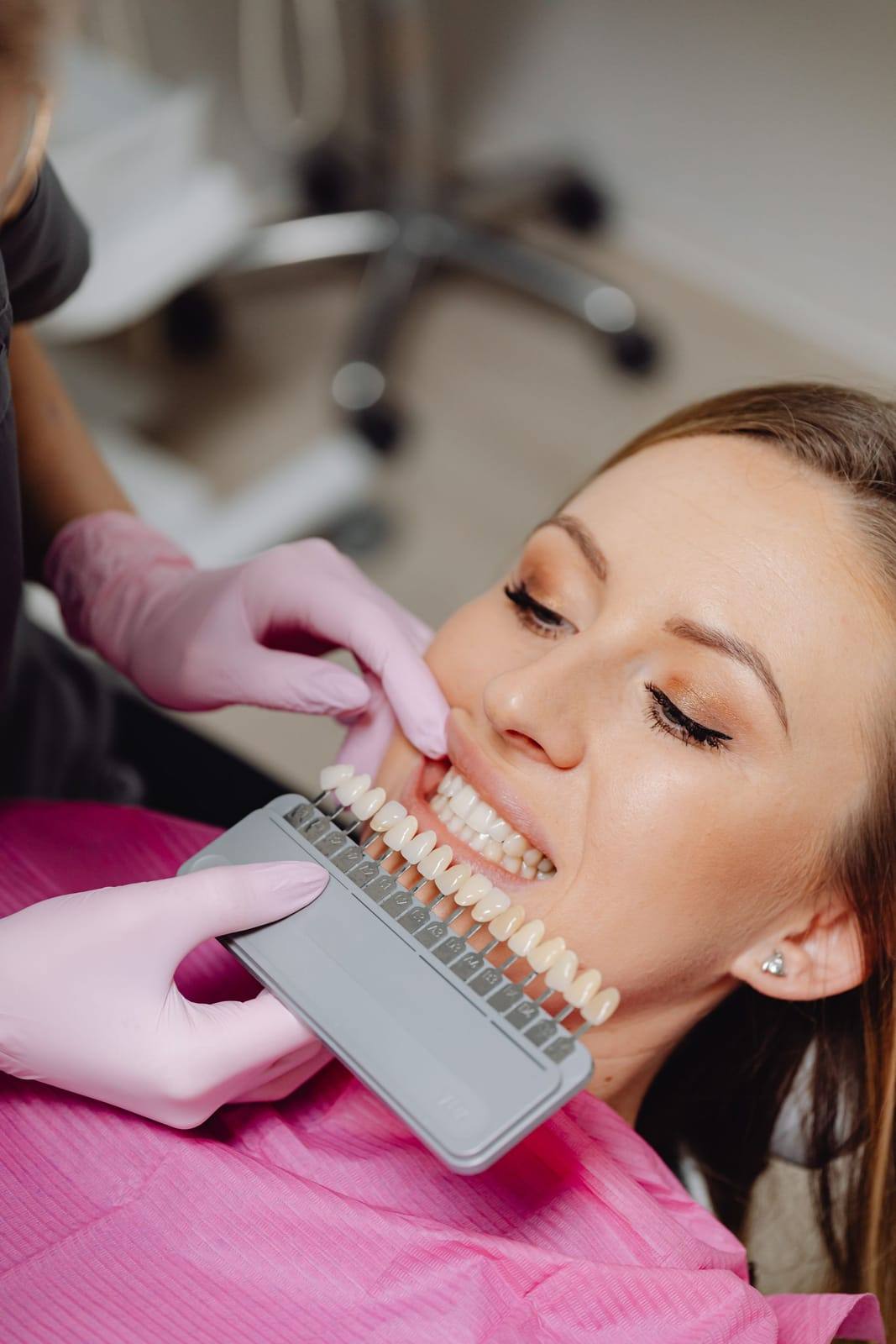
We start by matching the resin to your natural shade. If you’ve been thinking about whitening, now is the time to mention it. Resin won’t lighten with whitening gel later, so we recommend whitening first and bonding second.

Next, we lightly roughen the tooth surface and apply a conditioning gel. That gives the resin something to grip. There’s usually little or no drilling, which is why many patients don’t need numbing at all.

Then comes the part that takes skill: your dentist builds up the resin in thin layers, sculpting each one by hand. Good bonding has subtle texture and translucency at the edges, the way natural enamel does. A curing light sets each layer. Finally, we shape and polish everything and check your bite so nothing feels high.

Is bonding right for you?

Bonding is a great fit for small, specific fixes:

  • Chips and small cracks
  • Minor gaps between front teeth
  • Short, worn, or slightly uneven edges
  • Isolated stains or discolored spots
  • Sensitive, exposed root surfaces near the gumline

It’s less ideal when you want to change many teeth at once, or when teeth take a lot of force from grinding. Composite resin isn’t as strong or stain-resistant as porcelain. Most bonding lasts about 3 to 10 years before it needs touching up. The upside is that repairs are usually simple and affordable.

If bonding isn’t the best fit, we’ll say so. Sometimes whitening alone is enough, sometimes porcelain veneers make more sense, and sometimes a short course of Invisalign moves teeth into a better spot first.

Why patients choose Toothly for bonding

No judgment, ever. Chipped a tooth on a fork? Been hiding a gap for years? We’ve seen it all, and we’re just glad you came in.

Upfront pricing. You’ll know the cost before we pick up an instrument. Toothly Club members save 15–20%, and CareCredit and Sunbit are available for larger cases.

We run on time. Bonding is often done in under an hour, and our average wait is under seven minutes, so it fits into a lunch break.

Want to fix a chip or close a gap? Book at any Toothly office in Chandler, Gilbert, Mesa, Tempe, or Ahwatukee and we’ll show you what’s possible.


Benefits

Why patients choose Bonding

  • Done in one visit

    Most bonding is finished in a single appointment with no lab wait.

  • Conservative

    Bonding usually needs little or no enamel removal, so it can often be repaired or redone later.

  • Affordable

    It costs much less per tooth than porcelain veneers or crowns.

  • Often no numbing

    Because there's little or no drilling, many patients don't need anesthetic at all.

The process

What to expect, step by step

Typical timeline: About 30–60 minutes per tooth, usually in one visit.

  1. 01

    Shade and plan

    We look at the tooth, talk about the shape you want, and match the resin to your natural shade. If you want whiter teeth overall, we'll suggest whitening first.

  2. 02

    Gentle preparation

    We lightly roughen the tooth surface and apply a conditioning gel so the resin bonds securely.

  3. 03

    Sculpt by hand

    Your dentist layers tooth-colored composite resin and sculpts it to shape, building in natural texture and translucency.

  4. 04

    Cure, shape, and polish

    A curing light hardens each layer. We refine the shape, check your bite, and polish it to a natural shine.

Is it right for you?

You may be a good candidate if…

  • Small chips or cracks on front teeth
  • Minor gaps between teeth
  • Teeth that are slightly short, worn, or uneven
  • Isolated stains that don't respond to whitening
  • Exposed root surfaces that are sensitive or discolored

Aftercare tips

  • Avoid coffee, tea, red wine, and tobacco for the first 48 hours, when resin is most prone to staining.
  • Don't bite fingernails, ice, pens, or hard candy with bonded teeth.
  • Brush and floss normally, and keep up regular cleanings so we can polish and check the bonding.
  • Wear a night guard if you grind your teeth.

Who you’ll see

Providers who focus on bonding

Paying for care

Flexible ways to pay

  • In-house payment plans

    0% interest plans spread over 3–6 months for treatment over $500. No credit check.

  • CareCredit

    Healthcare credit card with 6–24 month promotional financing for qualified applicants.

  • Sunbit

    Pay over time with a quick, soft-pull application, with approval decisions in about 30 seconds.

  • HSA & FSA

    We accept health savings and flexible spending cards for eligible treatment.

FAQ

Bonding questions

Have a question we didn’t cover? Send us a note and a member of our clinical team will get back to you.

How long does tooth bonding last?

Bonding typically lasts about 3 to 10 years, depending on where it is and your habits. It can chip or pick up stains over time, but it's usually easy to touch up or redo.

Does cosmetic bonding damage your teeth?

No. Bonding usually requires little or no enamel removal, which is why it's considered one of the most conservative cosmetic options. The tooth surface is only lightly roughened so the resin can grip.

Bonding vs veneers: which should I choose?

Bonding is faster, more affordable, and more conservative, which makes it great for small fixes. Porcelain veneers cost more but resist stains better and last longer, so they're often better for bigger changes across several teeth.

Can bonded teeth be whitened?

No. Whitening gel doesn't change the color of composite resin. If you want whiter teeth overall, we recommend whitening first and then matching the bonding to your new shade.

Does bonding hurt?

Most patients find it very comfortable. Since there's usually little or no drilling, anesthetic often isn't needed unless we're repairing a deeper chip or treating near the gumline.

Ready when you are.

Book online in about a minute. Pick your office, pick your time, and we’ll handle the insurance check before you arrive.