A root canal removes infected or inflamed tissue from inside a tooth, relieves the pain, and lets you keep your natural tooth. Most patients say it feels like getting a filling.
Root canals have a reputation they don’t really deserve. The procedure itself is designed to relieve pain, not cause it. Most patients tell us it felt about like getting a filling, and that they wish they’d come in sooner.
What a root canal is
Inside every tooth is a small space filled with soft tissue called the pulp, which contains nerves and blood vessels. A deep cavity, a crack, repeated dental work, or an injury can let bacteria reach the pulp. When that happens, the pulp becomes inflamed or infected. That’s often what causes a severe, throbbing toothache, sensitivity that lingers long after a sip of something cold, or swelling in the gums.
A root canal removes that damaged tissue, cleans and disinfects the inside of the tooth, and seals it. The tooth stays in place, keeps working like a normal tooth, and no longer hurts. Without treatment, an infection can spread into the surrounding bone and may lead to an abscess or tooth loss.
How we do it at Toothly
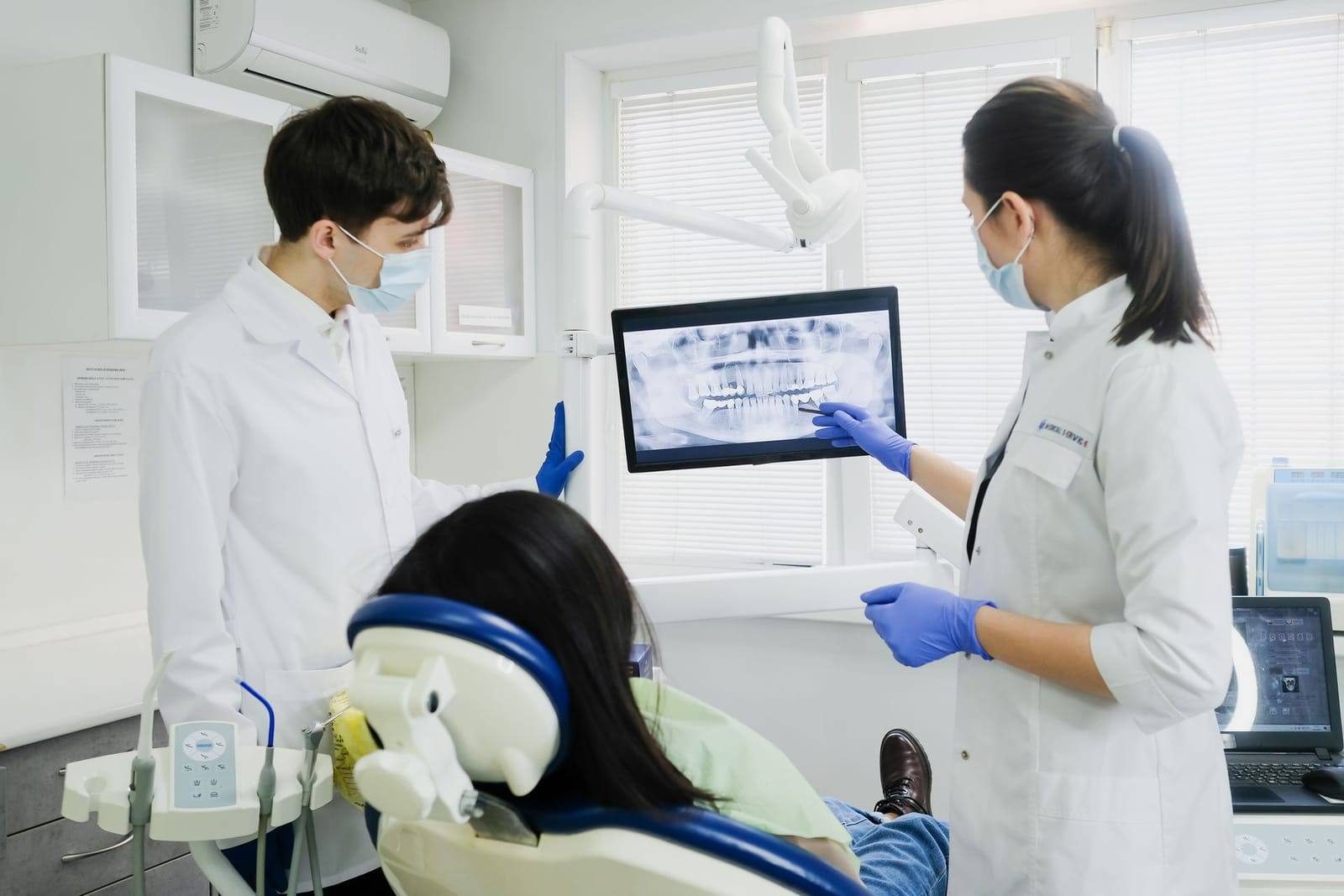
Diagnosis comes first. We use digital X-rays and intraoral camera photos, plus a few simple tests, to find out exactly which tooth is causing the problem and whether it’s a good candidate for saving. If the tooth can’t be saved, we’ll tell you that too.
Before treatment, you get a written plan with costs for the root canal and the crown that usually follows, along with your estimated insurance coverage. Then we numb the area thoroughly. Our comfort menu includes noise-canceling headphones, ceiling TVs, warm blankets, and sedation options for patients who’d rather be more relaxed.
Many root canals are done by our general dentists. For curved roots, retreatments, or more complex cases, our endodontist, Dr. Hana Yamamoto, sees patients at our Tempe, Ahwatukee, Ocotillo, and Eastmark offices. Keeping specialists in-house means your records, X-rays, and treatment plan stay in one place.
During the procedure, your dentist makes a small opening in the tooth, removes the pulp, cleans and shapes each canal, and fills them with a biocompatible material. The tooth is then sealed with a filling. Treatment typically takes 60 to 90 minutes, and some teeth need a second visit.
After your root canal
It’s normal to feel tender for a few days, especially when biting. Over-the-counter pain relievers are usually enough. Avoid chewing hard foods on that side until your final restoration is in place.
Most back teeth need a crown after a root canal. Without the pulp, the tooth becomes more brittle, and a crown helps protect it from cracking. With a good restoration and regular checkups, a tooth treated with a root canal can last for many years, often a lifetime.
If you have tooth pain right now, call your nearest Toothly office. We hold same-day time for emergencies across the East Valley.