NewNew patients: $99 exam, cleaning & X-rays.See offers

Dental emergency? Same-day care (480) 555-0100

Specialty Care

Gum Disease Treatment

Healthy gums hold everything else together.

Cost
From $225 per quadrant
Time
1–2 visits, about 60–90 minutes each
Insurance
Most PPO plans cover scaling and root planing as a basic service, often at 70–80% after the deductible.
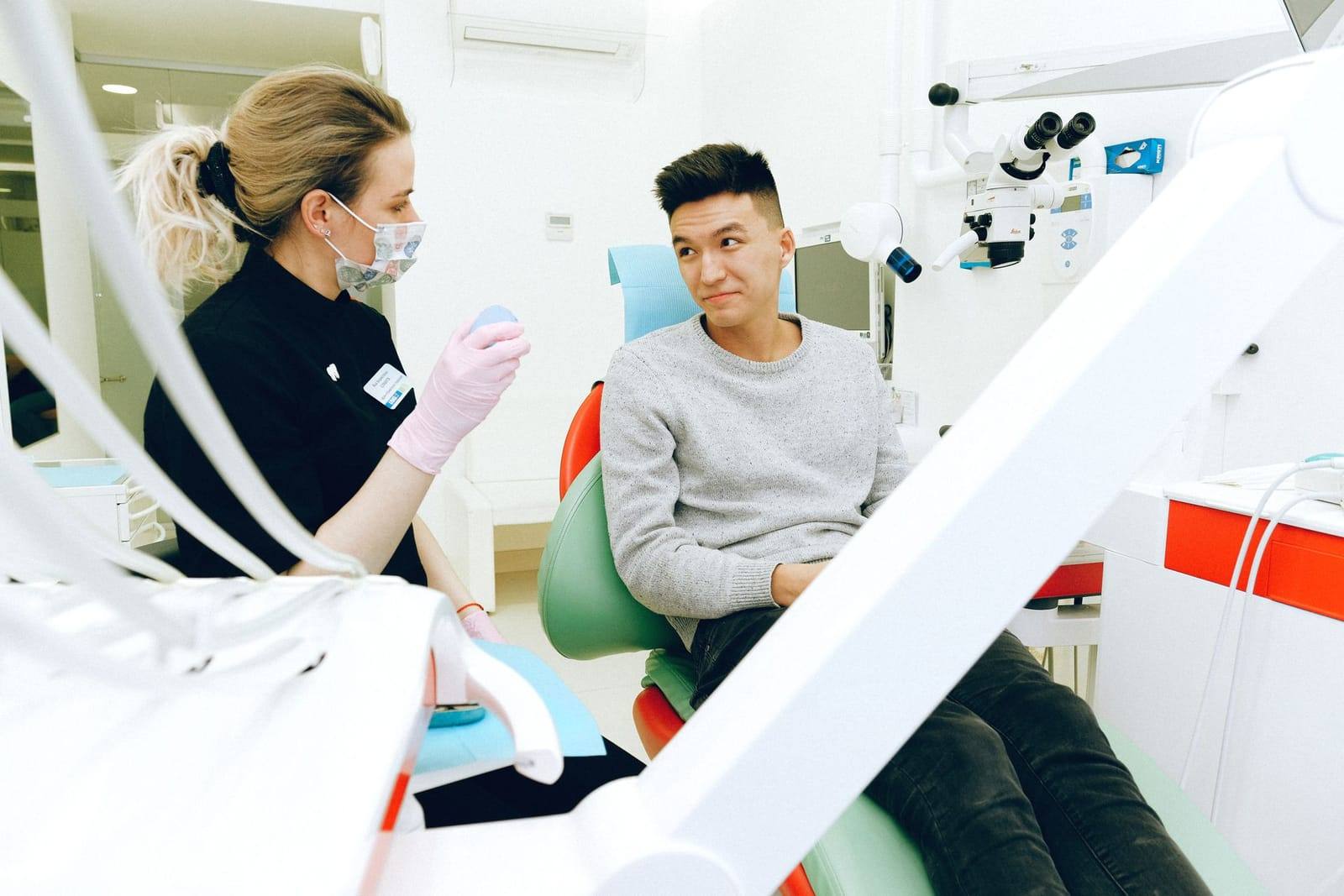
Dentist and patient chatting before an exam

From deep cleanings to periodontal maintenance and specialist care, we treat bleeding, swollen, and receding gums before they cost you teeth.

Gum disease is one of the most common health conditions in adults, and it’s easy to miss. It usually doesn’t hurt in the early stages. You might notice a little pink in the sink when you brush, gums that look puffy, or breath that never seems quite fresh. Left alone, it can quietly damage the bone that holds your teeth in place.

How gum disease develops

It starts with plaque, the sticky film of bacteria that forms on teeth every day. When plaque isn’t removed, it hardens into tartar along and below the gumline. Your gums react by becoming red, swollen, and likely to bleed. This early stage is called gingivitis, and it’s usually reversible with a professional cleaning and good home care.

If it progresses, it becomes periodontitis. The gums begin to pull away from the teeth, forming pockets where bacteria collect. Over time, the infection can break down the bone and connective tissue that support the teeth. That can lead to receding gums, loose teeth, and eventually tooth loss. Smoking, vaping, diabetes, certain medications, pregnancy, and genetics can all raise your risk.

How we treat it at Toothly

Every cleaning and exam at Toothly includes gum measurements. Your hygienist gently measures the space between each tooth and the gum, and digital X-rays show whether there’s any bone loss. Intraoral camera photos let you see the inflamed areas on the screen. We’ll explain what the numbers mean in plain language, without judgment.

For gingivitis, a thorough cleaning and a few changes at home are often enough. For periodontitis, the first step is usually scaling and root planing, sometimes called a deep cleaning. With the area numbed, your hygienist removes tartar and bacteria from below the gumline and smooths the root surfaces so the gums can heal and tighten. It’s typically done in two visits, half of your mouth at a time.

About four to six weeks later, we re-measure to see how your gums have responded. Most patients then move to periodontal maintenance cleanings every three to four months. If pockets stay deep or the disease is advanced, our periodontist, Dr. Ethan Brooks, sees patients at our Downtown Mesa, Gilbert Heritage District, Downtown Chandler, and San Tan Village offices for more specialized care.

Keeping your gums healthy for good

Gum disease is very manageable, but it’s a long-term condition. Daily brushing and cleaning between your teeth, regular maintenance visits, and support for any related health issues all make a difference.

Before treatment, you’ll get a written plan with costs and your estimated insurance coverage. If you don’t have insurance, the Toothly Club Gum Health plan is $39 a month and is built around the extra visits gum care requires. If it’s been a while and you’re worried about what we’ll find, that’s okay. We start where you are.


Benefits

Why patients choose Gum Treatment

  • Stop the progression

    Treating gum disease early can halt the damage to the bone and tissue that hold your teeth in place.

  • Fresher breath and calmer gums

    Removing bacteria and tartar below the gumline often reduces bleeding, swelling, and persistent bad breath.

  • Keep your teeth

    Gum disease is a leading cause of tooth loss in adults. Steady care helps you hold on to your natural teeth.

  • Specialist on the team

    Our periodontist, Dr. Ethan Brooks, sees advanced cases at four Toothly offices, coordinating directly with your dentist and hygienist.

  • A membership built for it

    The Toothly Club Gum Health plan makes ongoing periodontal care predictable for patients without insurance.

The process

What to expect, step by step

Typical timeline: 1–2 visits, about 60–90 minutes each

  1. 01

    Gum measurements and X-rays

    Your hygienist measures the pocket depth around each tooth, and digital X-rays show any bone loss. Intraoral photos let you see the inflamed areas yourself.

  2. 02

    Your plan, explained

    We explain your stage of gum disease in plain terms and give you a written plan with costs and insurance estimates.

  3. 03

    Scaling and root planing

    With the area numbed, your hygienist removes tartar and bacteria below the gumline and smooths the root surfaces so gums can reattach. Usually done in two visits.

  4. 04

    Re-evaluation

    About four to six weeks later, we re-measure your gums to see how they've responded and decide on next steps.

  5. 05

    Ongoing maintenance

    Periodontal maintenance cleanings every three to four months help keep the disease under control. Advanced cases are referred to Dr. Brooks.

Is it right for you?

You may be a good candidate if…

  • Your gums bleed when you brush or floss.
  • Your gums are red, puffy, or tender.
  • You've noticed your gums pulling back or your teeth looking longer.
  • You have bad breath or a bad taste that doesn't go away.
  • Teeth feel loose or your bite has changed.
  • You have diabetes, smoke or vape, or have a family history of gum disease.

Aftercare tips

  • Your gums may be tender for a few days. Over-the-counter pain relievers and warm salt water rinses can help.
  • Some temporary sensitivity to cold is common as the gums tighten up.
  • Brush gently twice a day with a soft brush and clean between teeth daily.
  • If you smoke or vape, cutting back or quitting greatly improves healing.
  • Keep every maintenance appointment. Gum disease can be controlled, but it often returns without regular care.

Who you’ll see

Providers who focus on gum treatment

Patient stories

Real gum treatment reviews

Google

Monday appointments with Dr. Brooks for my gum maintenance. Always on time, always thorough. He's honest about what home care actually matters and skips the guilt trip.

Paul J.Downtown Mesa ·
Google

Dr. Brooks treated a gum problem I'd ignored for a while. He was direct about it without making me feel stupid. They also had my insurance estimate ready before I sat down.

Kevin G.San Tan Village ·
Yelp

My old dentist kept saying "we'll watch it" about my gums. Dr. Brooks actually measured everything, explained my numbers, and did a deep cleaning over two visits. Six months later my pockets are way down.

Carmen V.Gilbert Heritage District ·

Paying for care

Flexible ways to pay

  • In-house payment plans

    0% interest plans spread over 3–6 months for treatment over $500. No credit check.

  • CareCredit

    Healthcare credit card with 6–24 month promotional financing for qualified applicants.

  • Sunbit

    Pay over time with a quick, soft-pull application, with approval decisions in about 30 seconds.

  • HSA & FSA

    We accept health savings and flexible spending cards for eligible treatment.

FAQ

Gum Treatment questions

Have a question we didn’t cover? Send us a note and a member of our clinical team will get back to you.

Can gum disease be reversed?

The earliest stage, gingivitis, can usually be reversed with a professional cleaning and better home care. Once gum disease has caused bone loss (periodontitis), the lost bone typically doesn't grow back on its own, but treatment can stop or slow further damage.

How much does a deep cleaning cost without insurance?

At Toothly, scaling and root planing starts at about $225 per quadrant, so a full-mouth deep cleaning often runs around $900 before any membership discount. The Toothly Club Gum Health plan helps make ongoing care more affordable.

Does a deep cleaning hurt?

We numb the areas being treated, so most patients feel pressure and vibration rather than pain. Your gums may be sore for a few days afterward. Nitrous oxide is available if you'd like help relaxing.

Why do my gums bleed when I floss?

Bleeding gums are often an early sign of gingivitis, caused by plaque irritating the gumline. It can also happen if you've just started flossing. If bleeding continues for more than a week or two of regular flossing, it's a good idea to have your gums checked.

Is gum disease linked to other health problems?

Research has found associations between gum disease and conditions like diabetes and heart disease. Gum disease can also make blood sugar harder to control. Keeping your gums healthy is a good part of caring for your overall health.

Ready when you are.

Book online in about a minute. Pick your office, pick your time, and we’ll handle the insurance check before you arrive.